
Look, let’s be absolutely honest here. Driving in India is not for the faint-hearted. Between negotiating craters that local municipalities call roads and dodging an enthusiastic auto-rickshaw that decided lanes are merely suggestive lines, our cars take a beating every single day. And yet, when we buy or renew our policy, most of us just look at the premium, sign the digital document, and throw the PDF into some forgotten folder in Google Drive. We assume we are “fully covered.” But are we really?
I used to think this was straightforward. You pay money, the insurance company covers the damage. Simple, right? But then I had my first major claim experience after a bad monsoon water-logging incident in Mumbai, and boy, was I in for a rude awakening. It turned out that the standard policy I boasted about didn’t cover what they called “consequential damage”—meaning my engine was ruined, but the insurer refused to pay a single rupee for it. That is when I realized we need to demystify this entire process. Let’s unpack What Does Car Insurance Actually Cover so you never get caught off guard with a massive, unexpected repair bill.
The Legal Minimum vs. Real Protection: Decoding Your Policy Types
Before we dive into the nitty-gritty of dents and engine repairs, we must understand the foundation. In India, there are two primary routes you can take, and mixing them up is the easiest way to end up broke after an accident.
First, there is the legally mandated third-party liability insurance. Under the Motor Vehicles Act, you cannot legally drive a car on Indian roads without this. But here is the catch: it covers absolutely zero damage to your own car. If you ram into someone’s luxury sedan, this policy pays for their repairs and medical bills, saving you from a financial nightmare. But your own car’s crushed bumper? You are on your own. It is a legal shield, not a personal safety net.
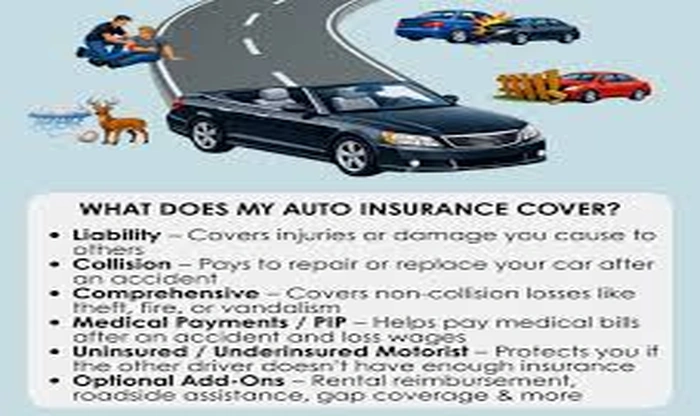
If you want protection for your own pride and joy, you need an own damage policy, which is typically bundled into what we call comprehensive car insurance. This is the heavy lifter. A comprehensive plan protects you against accidents, vandalism, natural disasters like floods, and even outright theft. I always tell friends that if you are still paying off a car loan, skipping comprehensive coverage is like walking a tightrope without a net. It is simply not worth the risk.
The Fine Print: What is Actually Covered Under Your Comprehensive Policy?
Let’s break down the actual scenarios where your insurance company will step up and foot the bill. When you have a robust policy, you are generally covered for:
- Accidental Damage: Whether you hit a guardrail or someone rear-ends you at a traffic light, physical damage to your vehicle is covered.
- Natural Calamities: Floods, earthquakes, cyclones, and landslides—increasingly common across Indian cities—are fully covered under a standard comprehensive plan.
- Man-made Disasters: Riots, malicious acts, strikes, and theft are included. If your car is stolen and the police cannot find it after a reasonable timeframe, the insurer pays out the Insured Declared Value (IDV).
- Fire and Explosion: Self-ignition or accidental fires are fully covered.
But how does this work in real-time? Most modern insurers have tie-ups with cashless garages. This is a massive lifesaver. Instead of paying the repair bill yourself and fighting for reimbursement, you simply tow your car to a network garage, and the insurer settles the bill directly with them (minus your deductible, of course). Just like learning how certain personal finance habits save money by plugging small daily leaks, knowing how to leverage your insurer’s network of cashless garages prevents sudden cash drains when you least expect them.
The “Gotcha” Moments: What Standard Insurance Safely Ignores
Now, let’s talk about the parts they don’t put on the flashy marketing brochures. This is where most car owners get their hearts broken during car insurance claims.
The biggest shocker for most people is depreciation. The moment your car leaves the showroom, its value starts dropping. When you make a claim for a damaged part, the insurer doesn’t pay for a brand-new replacement. They deduct depreciation. For plastic, rubber, and nylon parts, the depreciation is a staggering 50%. This means if your bumper costs Rs. 10,000 to replace, you are paying Rs. 5,000 out of your pocket! To avoid this, you absolutely must opt for a zero depreciation cover. It costs a bit more in premium, but it ensures the insurer pays 100% of the material cost during a claim.
Another classic trap is engine stalling in water. If you try to start your car while it is submerged in a flooded street, water gets sucked into the engine—a phenomenon called hydrostatic lock. Because you tried to start the car, the insurance company views this as a “user-induced error” rather than direct flood damage. Standard vehicle insurance does not cover this. You need a specific engine protection add-on to stay safe. It’s a lot like preparing for a major career transition. You don’t just hope for the best; you prepare for every contingency. In the same way that crafting an outstanding application can help you write resume get more interviews and secure your professional future, choosing the right add-on covers secures your financial peace of mind on the road.
Smart Tactics: How to Ensure Your Claims Actually Get Approved
So, how do you beat the system and ensure your insurer doesn’t reject your claim? Here is my personal checklist that I share with everyone who buys a car:
First, always check the claim settlement ratio of the company before buying. This ratio tells you what percentage of claims the company actually approved out of the total received. If a company has a ratio below 90%, run away, no matter how cheap their premium is. You want an insurer that actually pays out when disaster strikes.
Second, never delay reporting. If you get into an accident, take photos of the spot, the damage, and the other vehicle involved immediately. Call your insurer from the spot if possible. If you delay the report by a week, they have every right to suspect fraud and reject it. And lastly, never lie on your proposal form. If you park your car on the street but wrote “closed garage” to save a few hundred rupees on your premium, they will find out when your car is vandalized, and they will reject your claim instantly. Honesty is quite literally the best policy here.
Frequently Asked Questions
What if I crash my car into a tree? Is that covered?
Yes, if you have a comprehensive or standalone own damage policy, accidental damage from crashing into stationary objects like trees or poles is fully covered, minus the standard deductible charges.
Why did the insurer reject my engine damage claim during a flood?
Standard policies do not cover engine damage caused by hydrostatic lock (water entering the engine when you try to crank it in deep water). To get this covered, you need to buy an Engine Protection add-on cover.
Does my insurance cover someone else driving my car?
Yes, as long as the person driving had a valid driving license and was not driving under the influence of alcohol or drugs. The policy is tied to the vehicle, not just the owner.
What is a zero depreciation add-on, and is it worth it?
Absolutely. Standard policies deduct up to 50% depreciation on parts like plastic and rubber during repairs. A zero depreciation cover ensures you get the full claim amount without any depreciation cuts.
How do cashless garages actually work?
If you repair your vehicle at one of your insurer’s authorized network garages, the insurance company pays the garage directly. You only pay the compulsory deductible and any non-covered costs like depreciation (if you don’t have zero-dep).
The Final Verdict
At the end of the day, understanding what your car insurance covers isn’t just about saving money—it’s about emotional peace of mind. Driving should be a joy, not a source of constant anxiety. By choosing the right mix of comprehensive coverage, critical add-ons like zero-depreciation, and staying honest during the application process, you ensure that your policy acts as a bulletproof shield. Don’t wait for an accident to read your policy’s fine print. Grab a cup of coffee, open that boring PDF today, and make sure you are truly protected.