
Picture this: You are sitting at your favorite local cafe, waiting for your cutting chai, when your phone buzzes. It is an SMS from your bank. “Congratulations! You have a pre-approved personal loan of ₹5 Lakhs sitting in your account. Click here to claim instantly!” It feels like an unexpected warm hug from a wealthy relative. But before you tap that tempting “Apply Now” button, let us have a real, filter-free conversation about how these financial tools actually operate. Grab your cup, and let us dissect the reality of How Personal Loans Work and When to Use Them so you can use them to build your life, not break your bank.
Behind the Scenes: How Do Personal Loans Actually Work?
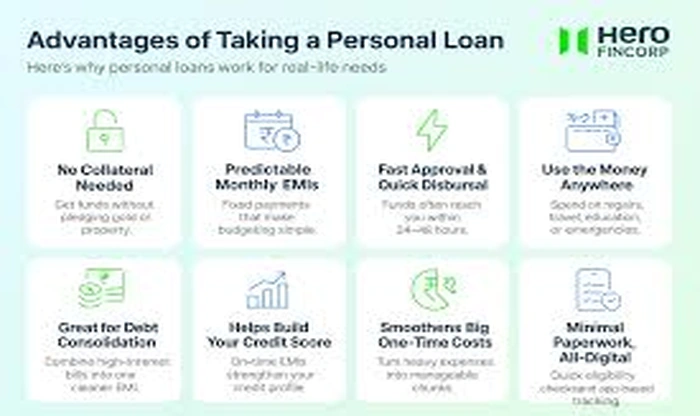
At their absolute core, personal loans are unsecured loans. Unlike a home loan or a car loan, you do not have to pledge your house, gold, or car as collateral. If things go sideways, the lender cannot immediately march in and seize your assets. But because the bank is taking on a much higher risk, they compensate for it by charging higher interest rates. This is why personal loan interest rates are typically higher than secured borrowing options, though still significantly cheaper than credit card debt.
So, how does the lender decide whether to trust you? They look heavily at your financial footprint. In India, your CIBIL score is the holy grail. Having a robust, healthy credit score for loan approval is absolutely non-negotiable if you want to negotiate the best terms. If your score is above 750, you are treated like royalty, with banks competing to offer you their lowest rates. If it is below 650, you might still get the loan, but the interest rate will make your eyes water. For a deeper look into the mechanics of non-collateral borrowing, you can read more about how financial institutions classify unsecured debt on Wikipedia.
The Math That Matters: Calculating Your True Cost
Here is something most loan officers will not tell you: the advertised interest rate is rarely the only cost you pay. There is a whole ecosystem of hidden fees waiting to bite into your budget. We are talking about processing fees (which can range from 1% to 3% of the loan amount), documentation charges, and the dreaded prepayment charges if you decide to pay off your debt early.
Before you sign any electronic agreement, please do yourself a massive favor and play around with a personal loan EMI calculator online. Do not just rely on the bank’s relationship manager telling you, “Sir, it is just a small EMI of ₹5,000 a month!” Look at the total interest payable over the entire loan repayment tenure. A longer tenure of, say, 5 years will make your monthly payments look incredibly small and attractive. But over those 5 years, you will end up paying a mountain of interest. If you want to keep your hard-earned money in your own pocket, developing smart personal finance habits to save money is a crucial step before taking on any long-term liabilities.
The Green Flags: When to Say “Yes” to a Personal Loan
Now, let us get analytical. I am not here to tell you that all debt is bad. Debt is a tool. In the right hands, it can be a leverage; in the wrong hands, a trap. Here are the scenarios where taking a personal loan makes genuine, logical sense:
- Debt Consolidation: If you are juggling three different credit cards with interest rates hovering around 40% per annum, taking a personal loan at 12% to pay them all off is a brilliant move. This is called debt consolidation, and it instantly reduces your interest burden and leaves you with just one manageable monthly payment.
- Medical Emergencies: Life does not wait for your mutual funds to mature or your next appraisal. When a medical crisis hits an Indian household, quick cash is vital. A personal loan can bridge the gap and save lives.
- Career or Skill Upgrades: Investing in a high-quality certification or course that guarantees a salary hike is a structured way to use debt to increase your lifetime earning potential.
The Red Flags: When to Step Back and Walk Away
Let us be brutally honest for a moment. If you are taking out a loan to fund a lavish destination wedding just to impress relatives you barely talk to, or to buy a luxury SUV that depreciates the moment it rolls out of the showroom, you are setting yourself up for financial stress. Using high-interest debt for lifestyle upgrades is like drinking seawater to quench your thirst.
If you find yourself constantly borrowing to maintain your lifestyle, it might be time to take a step back and look at your cash flow. Sometimes, simply keeping up with technology and learning how to leverage digital tools can help you optimize your income. I often browse through resources like the Innovative Tech Platform to stay updated on how digital ecosystems can make life more efficient and help me manage my daily resources better.
Applying Like a Pro: A Quick Checklist
If you have decided that a loan is indeed the right path for you, do not make the rookie mistake of applying to five different banks simultaneously. Each application triggers a “hard inquiry” on your credit report, which temporarily drags down your credit score. Instead, compare offers online, speak to your primary bank where you hold a salary account, and carefully negotiate the terms of your loan repayment tenure before making a single, focused application.
Frequently Asked Questions
Frequently Asked Questions
What is the ideal credit score for loan approval?
Generally, a CIBIL score of 750 or above is considered ideal. It gives you the leverage to negotiate lower interest rates and ensures much faster processing times.
Can I prepay my personal loan early?
Yes, most lenders allow prepayment, but you should look out for prepayment charges. Many banks charge between 2% to 5% of the outstanding principal amount if you close the loan before the agreed tenure ends.
Is a personal loan better than using a credit card?
For larger amounts that you cannot pay off within a single billing cycle, yes. Credit cards charge exorbitant interest rates (up to 40% annually), whereas personal loans offer much lower, structured rates.
How does the loan repayment tenure affect my overall cost?
A longer tenure will reduce your monthly EMI, making it easier on your wallet today, but it drastically increases the total interest you will pay over the life of the loan. A shorter tenure is always cheaper in the long run.
What is the difference between flat and reducing interest rates?
A flat rate calculates interest on the entire initial loan amount throughout the tenure, while a reducing rate calculates interest only on the remaining outstanding balance. Always insist on a reducing balance rate as it is much cheaper.