
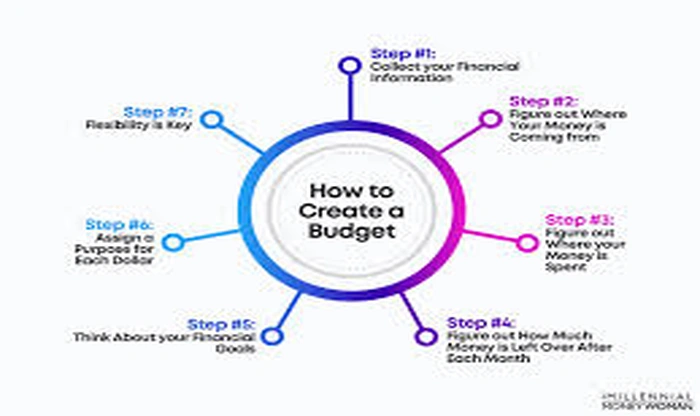
Let’s be honest for a second. We have all been there. It is the first day of the month, your bank account is freshly credited, and you feel like an absolute king. You promise yourself that this is the month you will finally get your act together. You download a sleek new budgeting app, vow to track every single rupee, and color-code your financial future. Then, life happens.
A friend plans an impromptu weekend trip to Alibaug or Rishikesh. Your car starts making a weird rattling noise that sounds suspiciously expensive. Or, let’s face it, you simply get tired of typing in “Rs. 40 – Chai Tapri” into your phone every afternoon. By the 12th, you have stopped opening the app. By the 20th, you are actively avoiding looking at your bank statement. By the end of the month, you are left wondering, “Where on earth did all my money go?”
If this cycle sounds painfully familiar, I want you to take a deep breath. You are not bad with money. The problem is that most traditional advice on how to create a monthly budget that actually works is designed for robots, not real people living in India’s fast-paced, digital-first economy. Between seamless UPI payments that make spending invisible and the relentless temptations of quick-commerce deliveries, we need a realistic system. Let’s build a budget that survives contact with the real world.
Why Traditional Budgeting Fails (And Why It Is Not Your Fault)
Here’s the thing: most budgets fail because they are built on restriction rather than reality. They expect you to completely transform your lifestyle overnight. It is the financial equivalent of going on a crash diet of boiled broccoli—you might survive for three days, but eventually, you will binge-eat a whole pizza. Or, in this case, splurge on an impulse Amazon cart.
In India today, our relationship with money management has changed. We don’t carry physical wallets stuffed with cash anymore; we tap, scan, and swipe. While UPI has made life incredibly convenient, it has also removed the emotional “pain” of paying. When you hand over a pink Rs. 2000 note (back when they existed!) or even a blue Rs. 500 note, your brain registers the loss. When you scan a QR code at your local cafe, it feels like Monopoly money—until your bank sends you that dreaded low-balance alert.
To make a budget actually stick, we need to transition from mindless restriction to conscious spending. That is why budgeting for beginners doesn’t have to be a painful chore. It’s simply about giving your money a job before you spend it, ensuring you meet your financial goals while still leaving room for the things that make life worth living.
Step-by-Step: How to Build a Budget for the Real World
Let’s roll up our sleeves. We are going to construct a customized roadmap for your money. No complicated math required, just a clear, honest look at your inflows and outflows.
Step 1: Calculate Your Actual Net Monthly Income
This sounds obvious, but you’d be surprised how many people get this wrong. Do not base your budget on your gross salary package (CTC). Your budget should be built entirely on your in-hand, net monthly income—the actual amount that lands in your bank account on payday after taxes, Provident Fund (PF), and other deductions are taken out.
If you are a freelancer, a business owner, or have a fluctuating income, do not panic. Look at your lowest-earning month over the past year and use that as your baseline. Anything you earn above that baseline can be treated as a bonus and funneled directly into your savings or used to clear high-interest debt.
Step 2: Track Your Baseline Fixed Expenses
These are your non-negotiables. These are the bills you must pay to keep a roof over your head, the lights on, and your belly full. List them down honestly:
- Rent or Home Loan EMI
- Utility bills (electricity, water, broadband, postpaid mobile)
- Groceries and basic household supplies
- Commuting costs (petrol, metro card, auto fares)
- Minimum debt payments (education loans, credit cards)
What fascinates me is how often people forget annual or semi-annual payments when calculating their monthly baseline. For example, car insurance premium is a massive yearly expense that always seems to catch people off guard. Knowing exactly what your car insurance actually covers can help you plan your emergency buffer better, saving you from sudden, budget-wrecking financial shocks.
Step 3: Define Your Savings and Financial Goals First
Most people pay their bills, spend on entertainment, and then try to save whatever is left over. This is the golden rule of financial struggle. Instead, we want to flip the script: Income – Savings = Spending.
Before you allocate a single rupee to dining out or shopping, decide how much you want to put toward your future. This includes building an emergency fund (aim for 3 to 6 months of basic living expenses), investing in mutual funds, PPF, or equity, and working towards key life milestones. By automating this portion right after payday, you remove the temptation to spend it.
Step 4: The Fun Stuff—Guilt-Free Spending
Whatever is left over after your fixed expenses and savings are covered is your guilt-free spending money. This goes towards dining out, weekend movies, subscriptions, and hobbies. Because you have already saved first and paid your bills, you can spend this money with absolutely zero guilt. If you want to spend Rs. 5,000 on a fancy dinner, go for it! You aren’t hurting your future self because your future self has already been paid.
The Frameworks: Choosing a Style That Fits Your Personality
There is no one-size-fits-all approach to managing monthly expenses. Different minds work in different ways. Here are three popular methods to help you find your financial sweet spot:
1. The 50/30/20 Rule
If you hate micro-tracking every single cup of coffee, the 50/30/20 rule is your best friend. It is incredibly simple: limit your needs to 50% of your income, allocate 30% to your wants, and dedicate 20% to savings and debt repayment. It’s flexible, easy to visualize, and doesn’t require complex spreadsheets.
2. Zero-Based Budgeting
If you like structure and control, zero-based budgeting is incredibly rewarding. The core philosophy here is that every single rupee gets a job. If your income is Rs. 70,000, your expenses, savings, and investments must add up to exactly Rs. 70,000 by the end of the month. It prevents money from “leaking” out of your account without you noticing.
3. The Modern Digital Envelope Method
Historically, the envelope method involved putting physical cash into paper envelopes labeled “Groceries,” “Rent,” and “Entertainment.” Once the envelope was empty, you couldn’t spend any more on that category. In our digital age, you can easily replicate this by opening a secondary bank account. Keep your primary account for fixed bills and savings, and transfer your weekly or monthly spending allowance to a secondary account or e-wallet. Once that wallet runs dry, you stop spending. Simple!
How to Turn Budgeting into a Lifelong Habit
Let’s be honest: building a budget is easy; keeping it alive is the hard part. To make sure you do not abandon your plans, you need to cultivate healthy personal finance habits to save money over the long haul. This isn’t about extreme frugality; it is about consistency and automation.
I highly recommend setting up auto-debits for your systematic investment plans (SIPs) and recurring deposits to trigger exactly one day after your salary credit date. That way, you are saving money before you even get a chance to think about how to spend it. To understand more about master-level financial structures, you can check out the guidelines on personal finance standard practices.
Lastly, remember to give yourself some grace. Your budget is a living, breathing document. It is not set in stone. Some months will be more expensive than others (think festival season like Diwali, or wedding season in India), and that is perfectly okay. The goal is not perfection; it is awareness and gradual improvement. By mastering how to track spending and adjusting your parameters along the way, you will naturally move closer to financial freedom.
Frequently Asked Questions
What if my monthly income fluctuates every single month?
If you are a freelancer or business owner, find your average baseline income by looking at your lowest-earning month from the past year. Use that lower figure to cover your essential expenses and emergency savings. Any excess money earned during high-income months can be saved as a cushion for leaner periods.
How much should I keep in my emergency fund?
A good rule of thumb is to save 3 to 6 months’ worth of essential living expenses (rent, food, insurance, basic utilities). Keep this money in a highly liquid account—like a sweep-in savings account or a liquid mutual fund—so you can access it instantly in case of a medical crisis or sudden job loss.
Can I still use credit cards if I am trying to budget?
Yes, but with caution. Credit cards offer great rewards and help build your credit score, but they can be dangerous if you treat them as extra income. Only spend what you have in your bank account, and set up an auto-pay system to clear the total outstanding balance in full every single month.
What is the easiest way to track my daily spending?
If manual entry feels tedious, try using SMS-based financial tracking apps popular in India, which automatically read your transaction alerts and categorize your spends. Alternatively, a simple weekly check of your bank’s mobile app can help you stay updated without daily micromanagement.
How often should I review my monthly budget?
It’s best to review your budget once a month, preferably a day or two before your next salary arrives. Take 15 minutes to see where you overspent, celebrate your savings, and make quick adjustments for the upcoming month’s unique expenses.